Waking Up: A Guide To Spirituality Without Religion - Sam Harris - A Short Summary and Review
Waking Up: A Guide To Spirituality Without Religion - Sam Harris - A Short Summary and Review
By: a.d. elliott | Take the Back Roads - Art and Other Odd Adventures
A Rite of Fancy Book Recommendation and Review
A short summary:
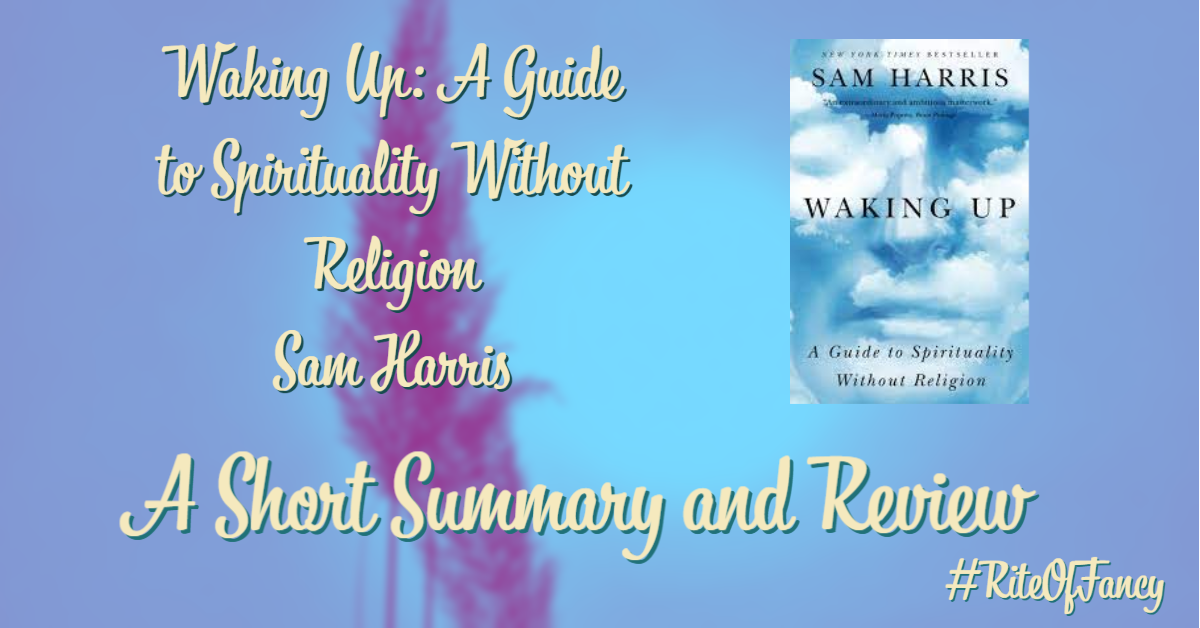
Waking Up by Sam Harris explores the possibility of spiritual fulfillment without religious belief. Harris examines why religious traditions often cultivate happiness, peace, and moral clarity, and argues that these benefits arise not from doctrine itself, but from disciplined spiritual practices such as meditation, mindfulness, and ethical attention.
Drawing from neuroscience, philosophy, and contemplative traditions, particularly Buddhism, Harris proposes that spirituality is fundamentally about training the mind. In his view, meaning, transcendence, and moral insight can be pursued without institutional religion or belief in God.
My favorite quote from the book:

Questions to ponder while reading:
My review:
Waking Up offers a clear and often compelling comparison of spiritual practices across religious and secular traditions. Harris does an excellent job identifying the shared disciplines underlying religious life—silence, attentiveness, repetition, restraint, and showing how these practices shape interior life regardless of belief system.
One of the book’s strongest contributions is its insistence that spirituality is a discipline, not a feeling. Growth, peace, and insight are presented as the result of consistent practice rather than emotional intensity or momentary experience.
Where the book becomes more challenging is its insistence that religion can be entirely separated from spiritual practice. While Harris makes a thoughtful case for individual cultivation, the argument underestimates the formative role of religious community, tradition, and shared moral narrative. For many readers, spirituality is not sustained by practice alone, but by belonging—by worship, accountability, and communal meaning.
Still, Waking Up is a valuable and intellectually rigorous work. It invites serious reflection on how and why spiritual practices work, even when one disagrees with their conclusions. For readers interested in the intersection of happiness, discipline, and interior life, this book offers much to consider.
_____________________________________________________________________________
About the Author
a.d. elliott is a wanderer, photographer, and storyteller traveling through life
She shares her journeys at Take the Back Roads, explores new reads at Rite of Fancy, and highlights U.S. military biographies at Everyday Patriot.
You can also browse her online photography gallery at shop.takethebackroads.com.
✨ #TakeTheBackRoads
Enjoyed this post? Support the adventure by visiting my sponsors, shopping the gallery, or buying me a cup of coffee!



Comments
Post a Comment